TikTok has tightened the rules for selling loose diamonds in the United States. Under requirements published on October 26, loose diamonds are now a restricted, invite-only category on TikTok Shop: a seller needs the platform’s approval before listing or selling them, for ordinary product listings and for livestream sales alike. And every loose diamond offered must carry a certification from GIA or IGI, whether the stone is natural or lab-grown.
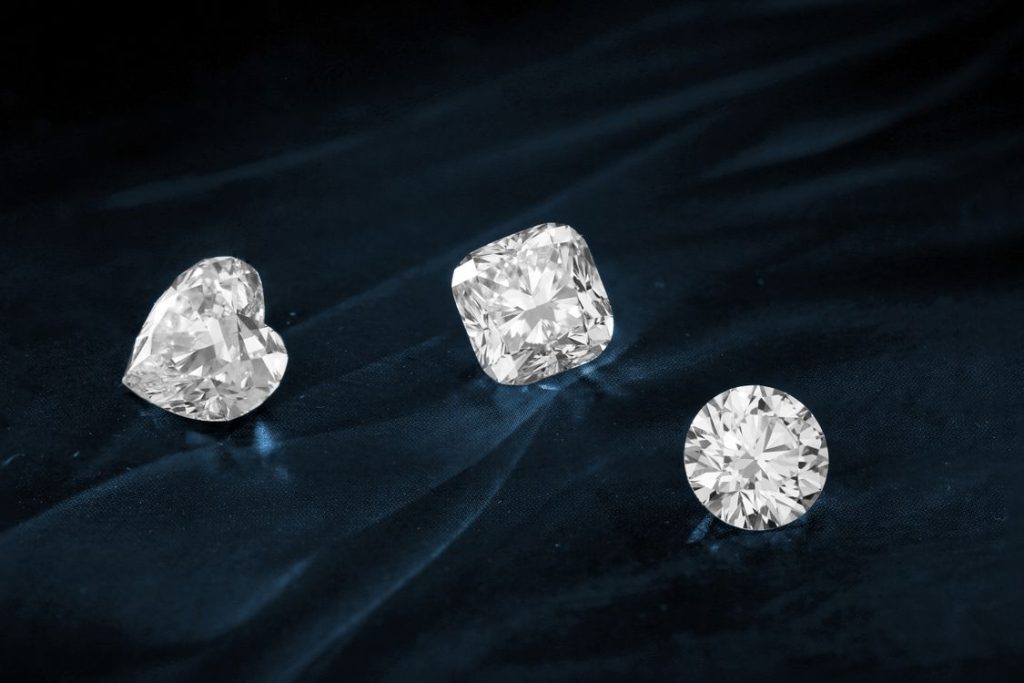
The rules are aimed at a format that has grown quickly. On what viewers call DiamondTok, sellers auction loose stones in fast, high-energy livestreams, with rapid-fire bidding that can take as little as 20 seconds, countdown clocks, and starting prices sometimes as low as $1. TikTok has not restricted that format. What it has restricted is the paperwork and the description that go with the stone.
TikTok’s Product Authenticity and Quality policy states the requirement plainly: all loose diamonds offered for sale must be genuine, accurately represented, and consistent with the specifications in the listing, and all diamonds must have a GIA or IGI certification. Sellers may not present lab-grown diamonds as natural, market simulated stones such as cubic zirconia or moissanite as genuine diamonds, falsify grading documents, or misrepresent a stone’s weight, colour, clarity, cut, origin or certification. Unsupported claims about quality, value, investment potential or resale value are also prohibited. To stay in the category, sellers must receive prior approval, provide business and supplier documentation when requested, substantiate a stone’s authenticity and specifications, and maintain satisfactory seller performance. If a customer raises a credible issue about authenticity, certification or quality, the platform says it can request documentation, conduct a review, or require independent verification.
The precise scale of the trade is hard to establish: TikTok does not publish diamond-specific sales figures. Individual livestreams draw audiences in the hundreds, and named operators include DiamondVaultLive, Gold Hive Live and True Carat Jewelry. What the new rules change, and what they leave alone, can be separated cleanly. The certificate requirement speaks to what a stone is. A grading report from GIA or IGI ties one specific stone to a measured set of facts — its weight, its proportions, its colour and clarity grades — and both laboratories let a buyer look the report up: GIA through its Report Check database, IGI through its own online verification, by the report’s unique number. A stone with no paperwork is a stone taken on faith, and that is the gap the October rules close.
What a report cannot do is slow the sale down. A diamond is normally a considered purchase: the 4Cs read on paper, stones compared side by side, time under a loupe. A 20-second auction removes the comparison and keeps the countdown, and purchases made through TikTok’s live-auction feature are final sale — TikTok’s 90-day money-back guarantee excludes final sale merchandise, though disputes remain possible when an item is defective, damaged, or does not match its description. Regret after an excited bid is not, by itself, a quality issue.
So the October tightening lands in a specific place. The platform now requires the document that identifies a stone, from sellers it has approved in advance, while leaving untouched the speed that decides whether a buyer ever studies that document before bidding. For the trade watching from the bench, the remaining work is familiar: a loose stone still has to become a piece of jewellery, and someone still has to explain to its owner what was actually bought. The certificate makes that conversation possible. It does not have it.
— Tom