The Journal
Notes from the bench.
A jeweller’s notebook, kept in public: what sterling silver is and how it behaves, how pieces are made at this bench, stones examined up close, how to choose and care for jewellery — and the jewellery world’s news, read from the bench.
The News
Jewellery World News — read from the bench, as it happens
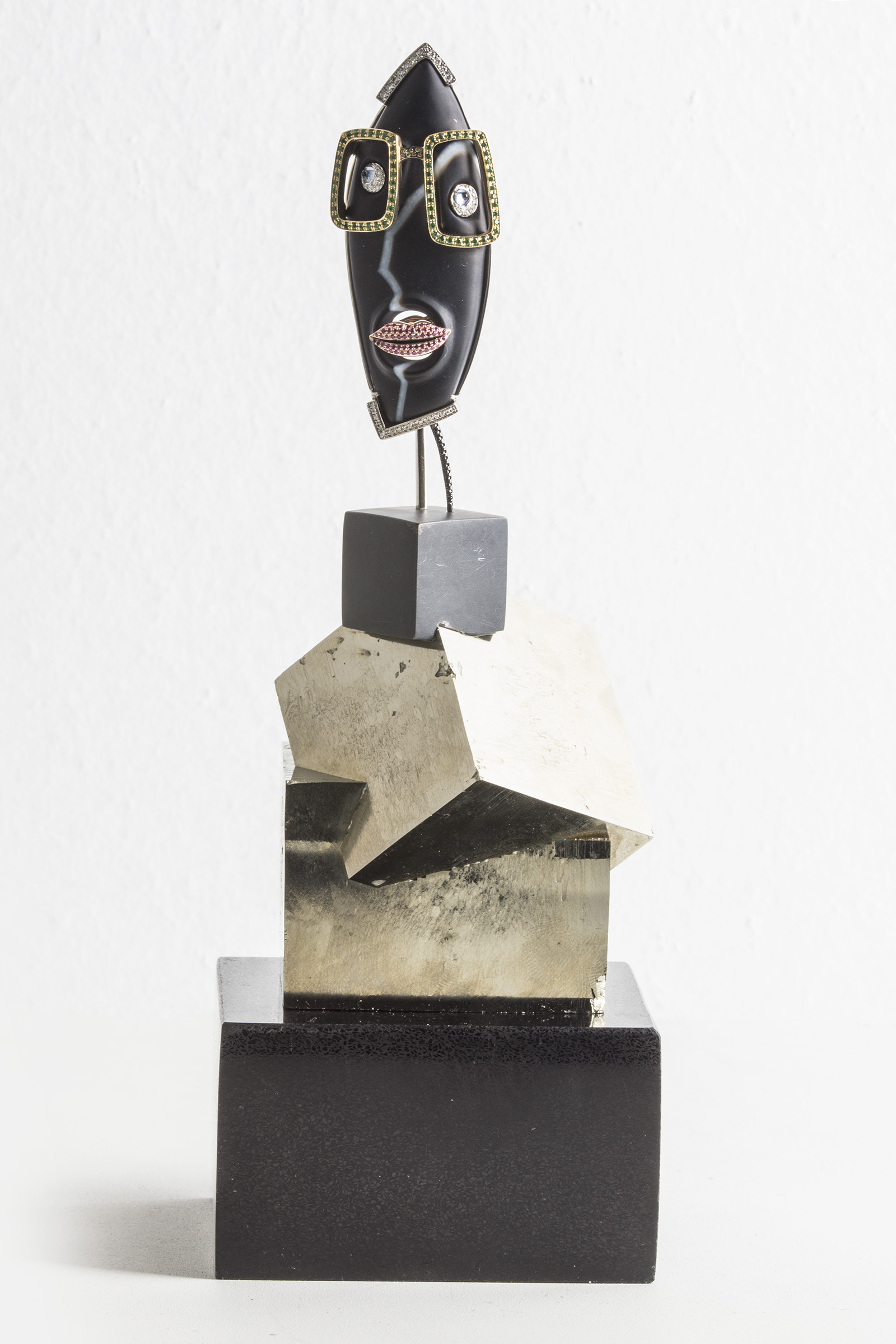
Lizzadro Museum Opens ‘The Art of Transformation: The Jewelry of Mark Schneider’
“The Art of Transformation: The Jewelry of Mark Schneider” opened on Saturday, November 7 at the Lizzadro Museum of Lapidary Art in Oak Brook, Illinois, and runs through April 4, 2027. The exhibition brings together 40 one-of-a-kind pieces by Mark Schneider, guest curated by Elyse Zorn Karlin, and it is organised around the way Schneider…

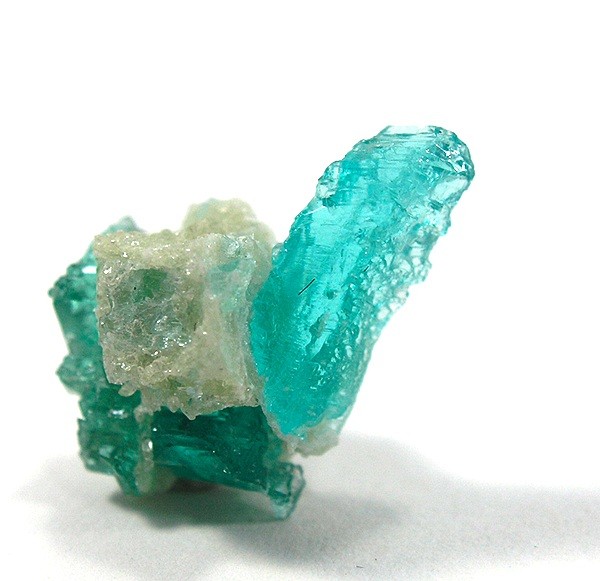
Gem-A Conference 2026 Opens in London: Ethiopian Paraíba Tourmalines and Letseng Type IIa Diamonds
The Gem-A Conference ran in London on November 7 and 8, and its programme was built around research: presentations on stones whose names carry precise technical meanings, and on what happens when those meanings are tested against new material. Two of the headline addresses turned on the same discipline — a name in gemmology is…

Notes from the Bench
The standing articles — the metal, the stones, the care
Moonstone: The Light That Floats
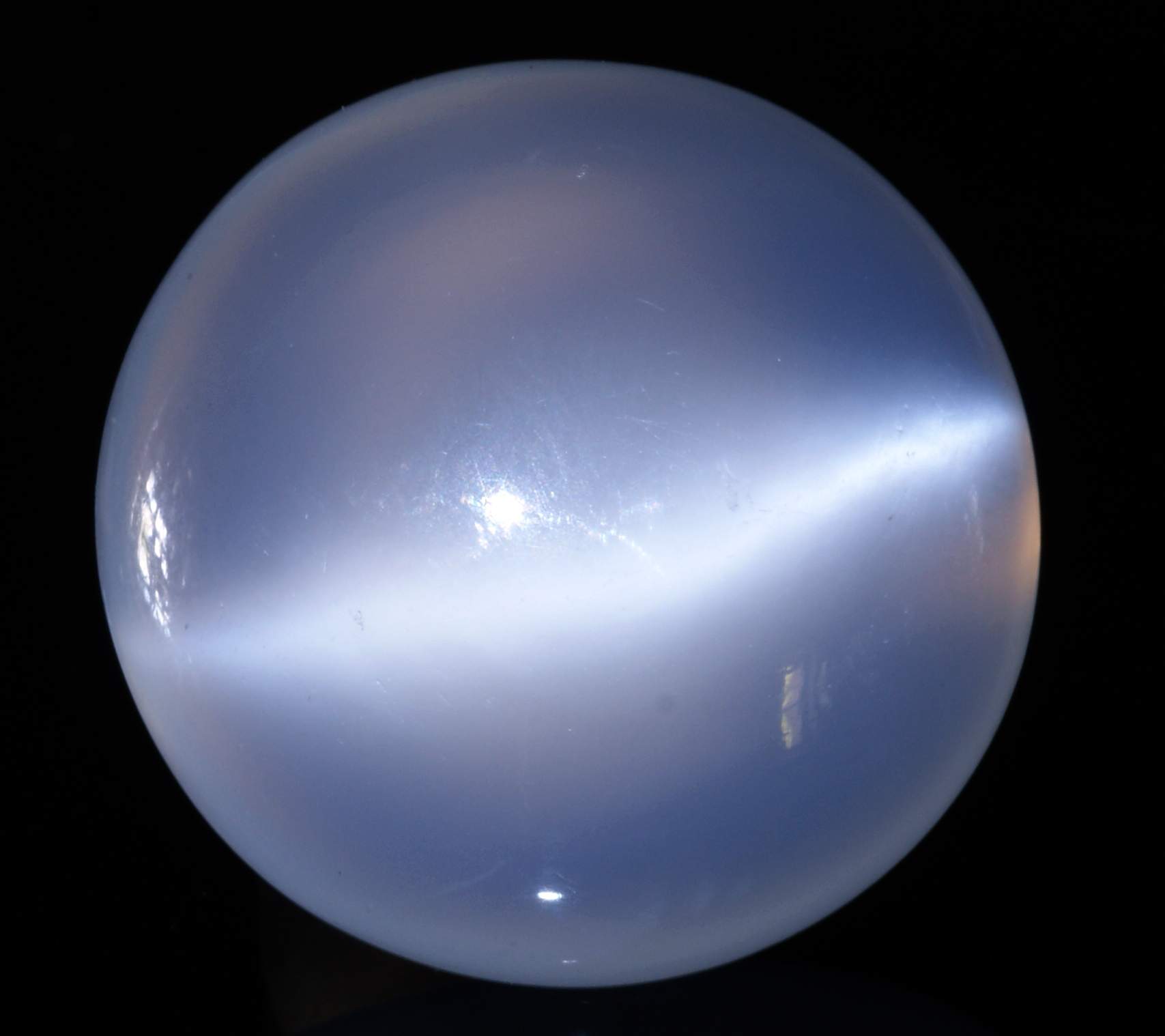
Some stones are valued for a colour that stays still. Moonstone is valued for a light that moves. Tilt one slowly under a single light and a soft sheen rolls across the dome, gathers, and drifts on, like light seen through thin cloud. That sheen is not polish, and it is not a coating. Moonstone…

Signets and Seals: Jewellery That Signed Your Name
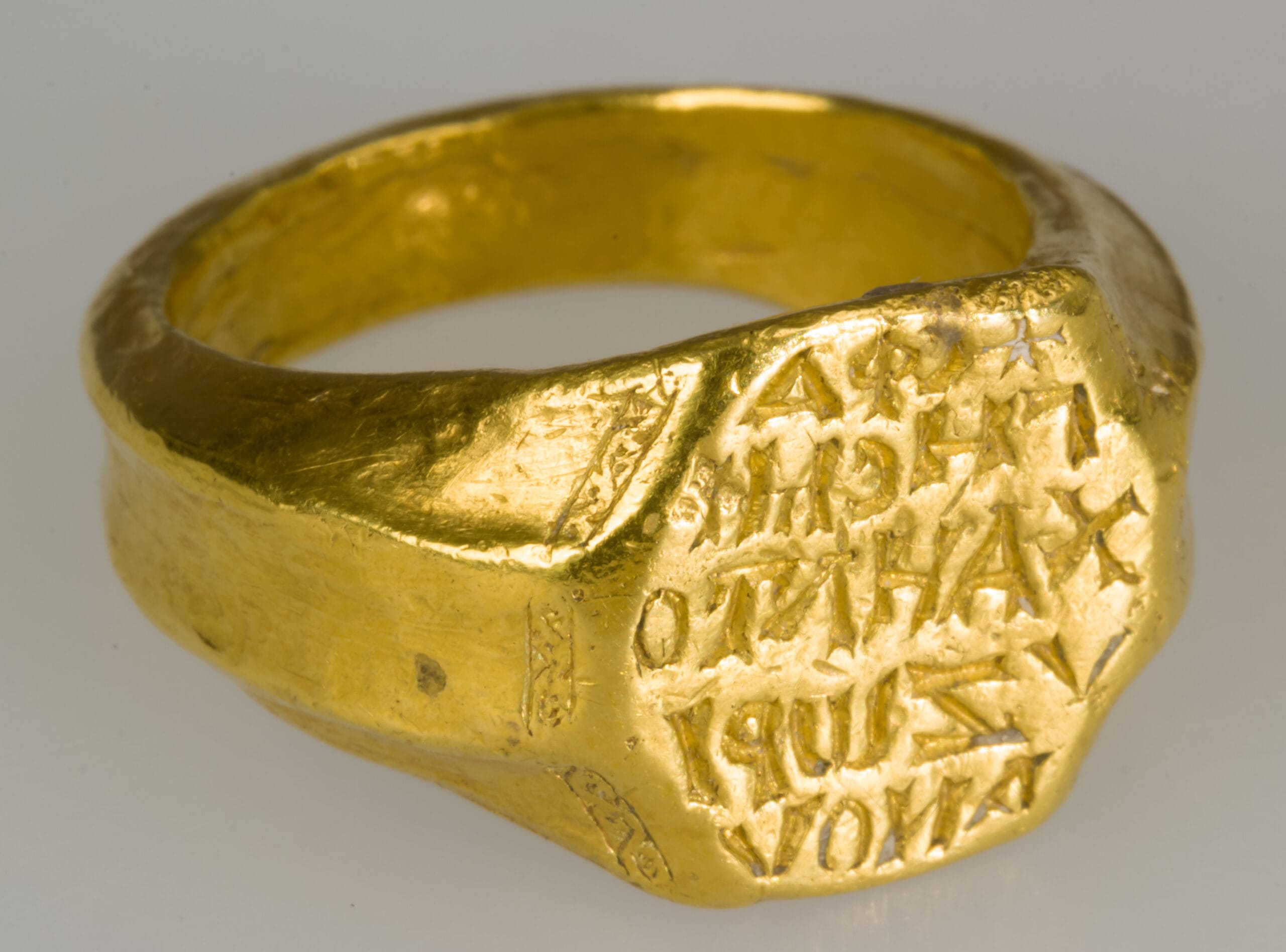
Before a name could be signed, it had to be pressed. For most of history, the mark that made a document yours was not handwriting. It was a seal — and the seal you could least afford to lose was worn on your finger. The signet ring carried its owner’s design cut in reverse, sunk…

Pearls Are Not Stones: The Gemmologist’s Exception
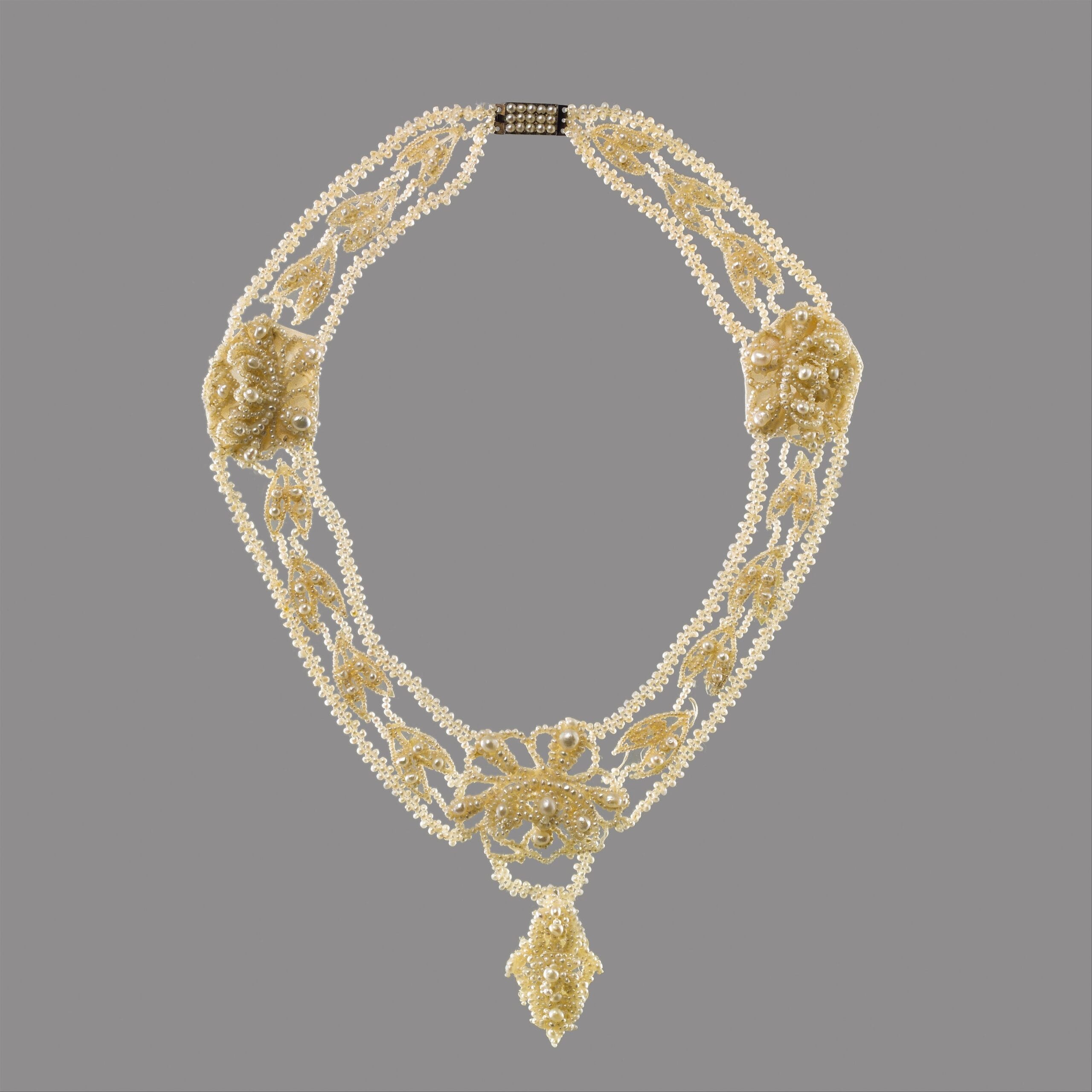
Pearls are sold beside stones, graded beside stones, and kept in the same boxes as stones. They are not stones. A pearl is grown, not mined. Inside a living mollusc, layer after layer of nacre — microscopic platelets of calcium carbonate bound with organic matter — builds around an irritant or a nucleus. No crystal,…

Paraíba: The Tourmaline That Glows
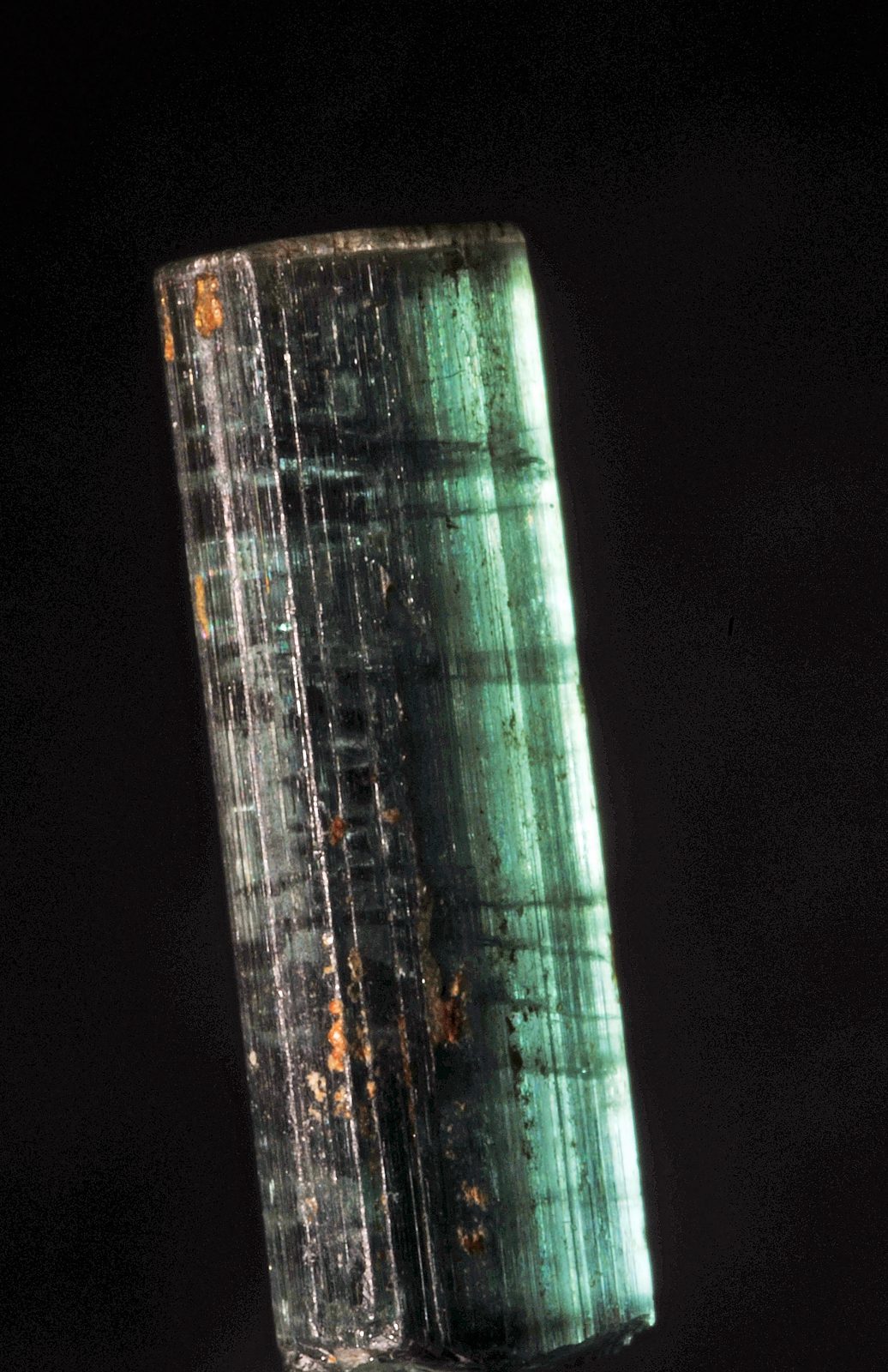
Some coloured stones look lit from inside. Paraíba tourmaline is the clearest case — and no, it does not glow in the dark. What it does is return the light already in the room so saturated with colour that the eye reads it as a light source rather than a coloured object. The colour comes…

Paste: The Glass That Fooled Courts
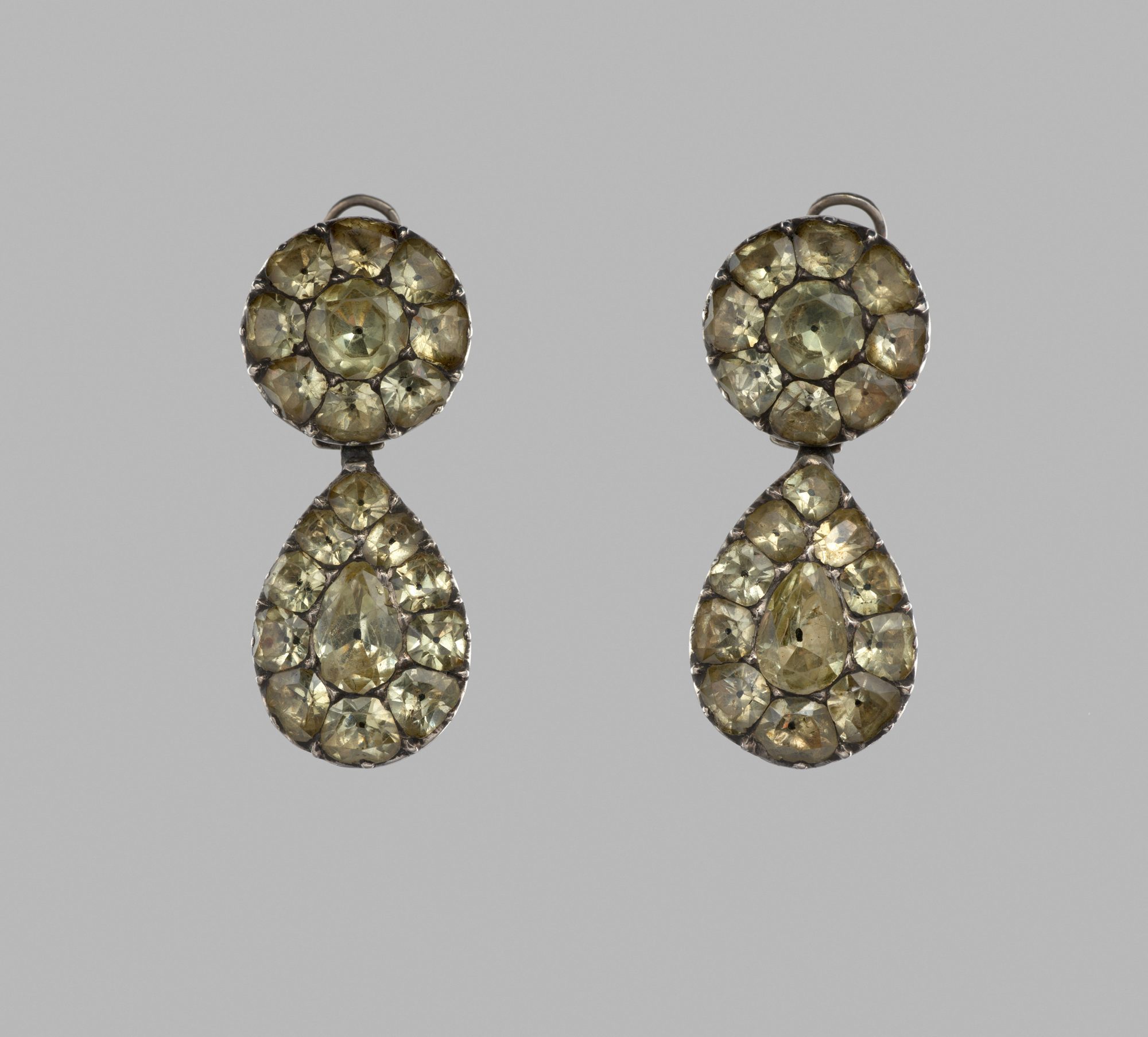
In jewellery, paste means glass — lead glass, cut and set to look like a gemstone. The word now sounds cheap. In the eighteenth century, it did not. Paste was worn openly, at court, by people who owned diamonds as well. The Parisian jeweller Georges Frédéric Strass refined the glass in the 1720s, had it…

Doublets and Triplets: Stones Built in Layers
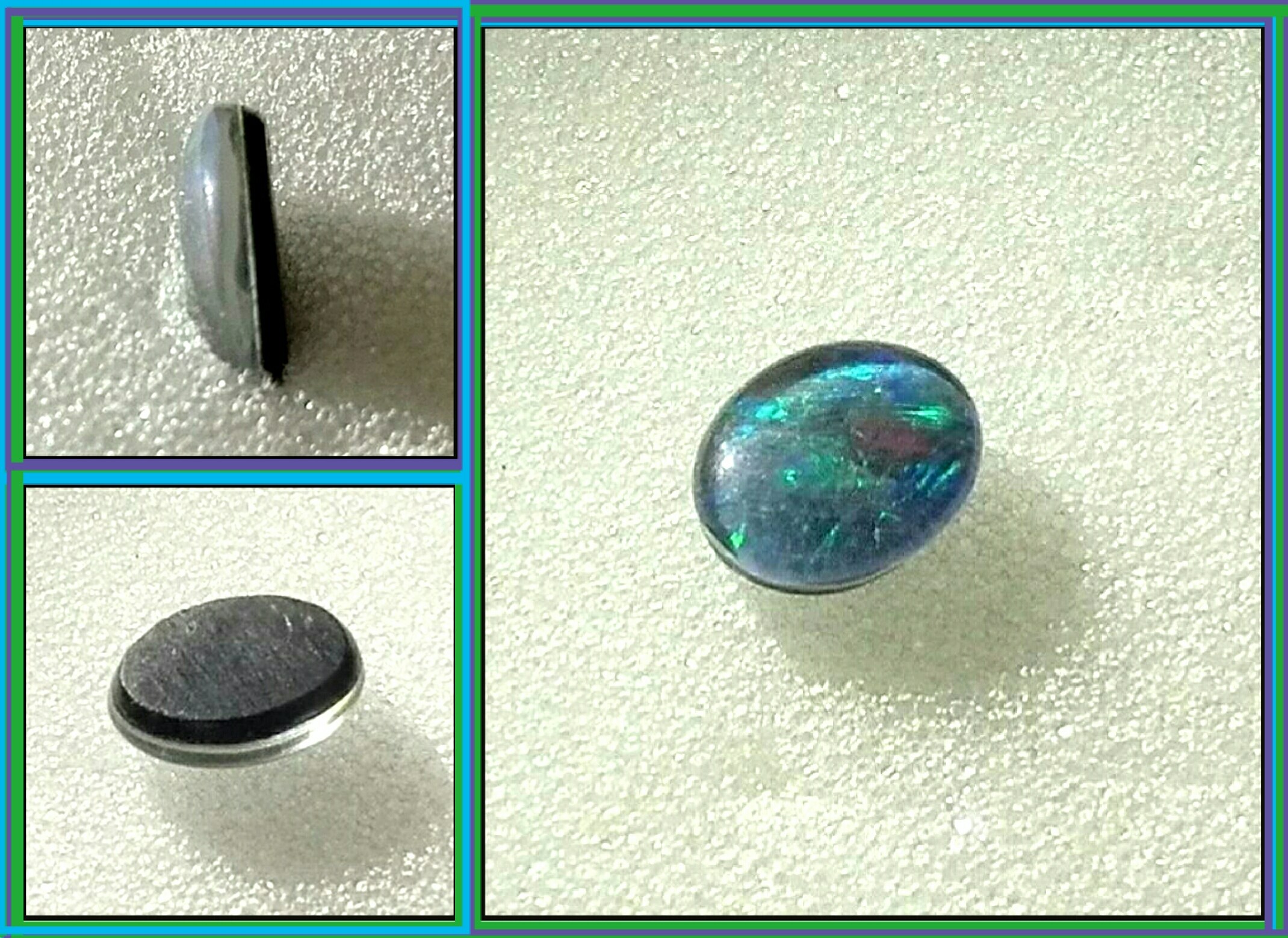
Look at a stone from the front and it can seem to be one thing. Look at it from the side and it may tell a different story. A doublet is two pieces joined and sold as one stone. A triplet is three. In an opal doublet, a thin slice of precious opal — the…

Browse by subject
What sterling silver is, and how it behaves.
How pieces are made at this bench.
How to choose jewellery, and keep it well.
Stones, examined up close.
Why pieces look the way they do.
The jewellery world’s news, read from the bench.
The Journal, by email
One email when a new article appears in The Journal. When the first collection opens, this list hears it first.